


How Moringa Powder Is Processed: From Farm to Export
Learn how moringa powder is processed from farm to export, including harvesting, drying, grinding, quality checks, and packaging. Understand what makes export-quality moringa powder safe, consistent, and premium.
Ayas Jena
2/9/20262 min read
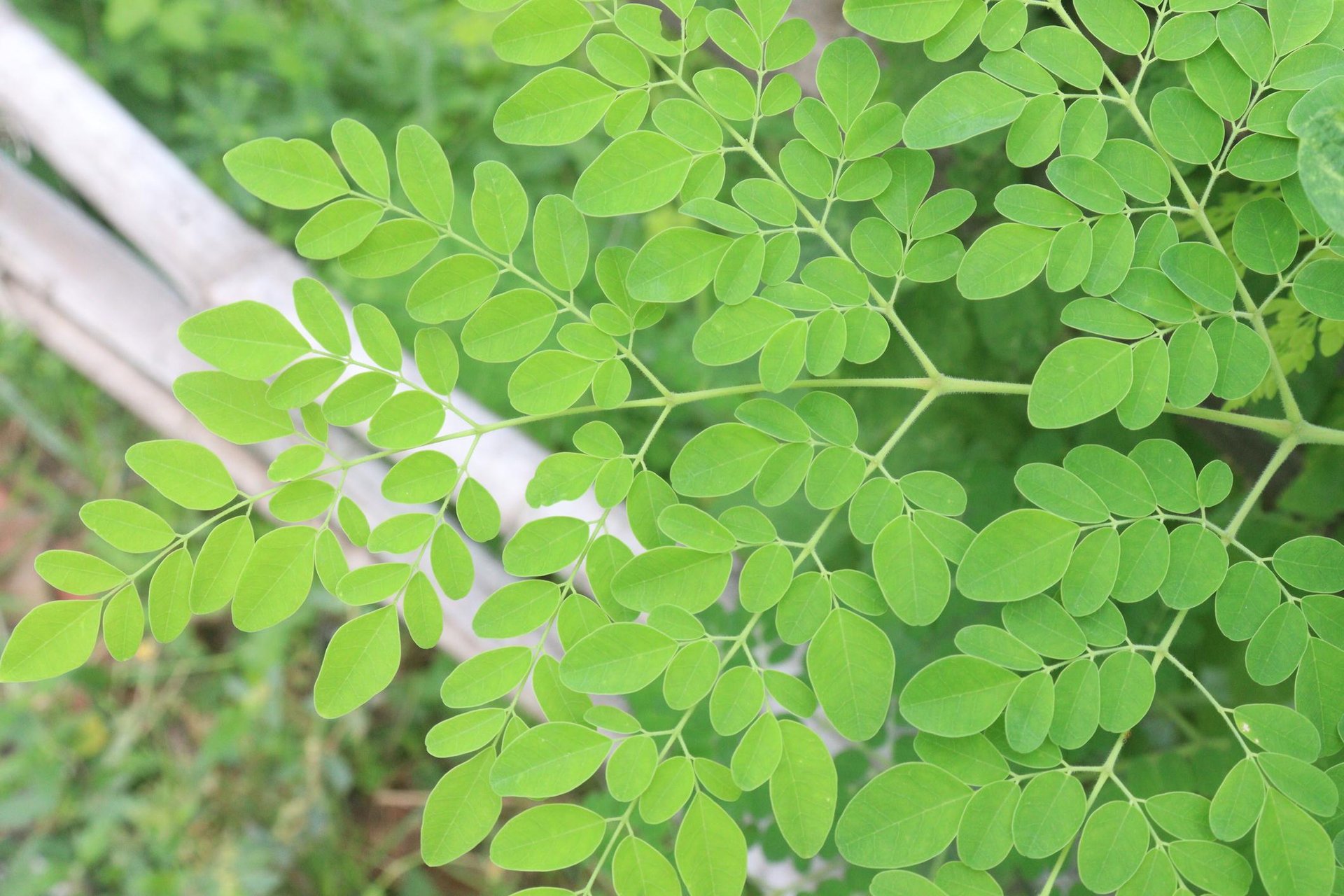
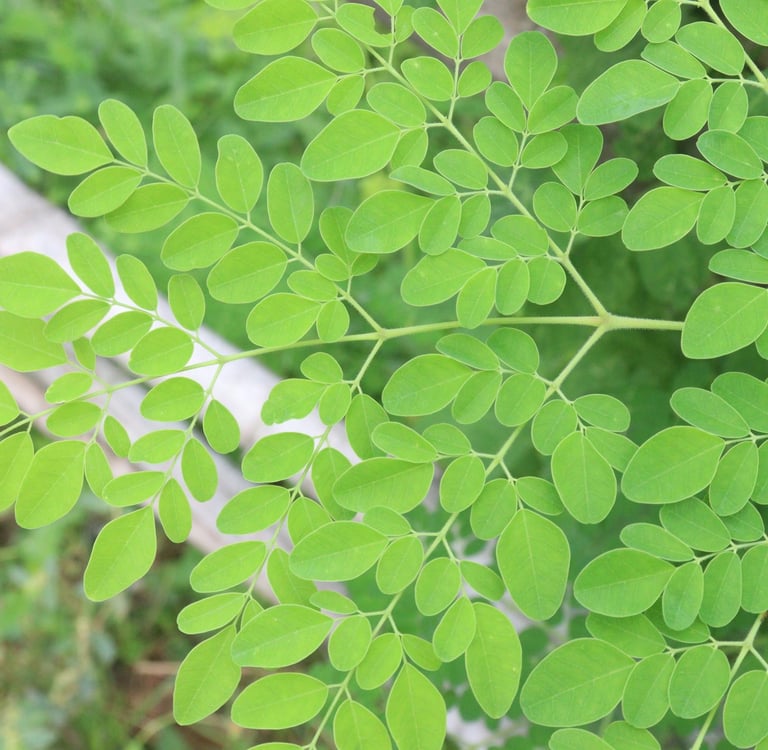
How Moringa Powder Is Processed: From Farm to Export
The quality of moringa powder depends not only on the plant itself, but also on how it is processed at every stage. From harvesting fresh leaves on the farm to packing export-ready moringa powder, each step plays a crucial role in preserving nutrients, color, taste, and safety.
This guide explains how moringa powder is processed from farm to export, helping buyers and consumers understand what makes premium-quality moringa different.
1. Cultivation and Leaf Selection
Moringa powder begins its journey on carefully managed farms where moringa trees are grown under controlled conditions.
Key factors at this stage include:
Healthy soil and clean water
Proper spacing and pruning of trees
Avoiding chemical contamination
Selecting young, fresh leaves for better nutrition
Only high-quality leaves are selected for further processing, as damaged or mature leaves can affect taste and nutrient levels.
2. Harvesting Fresh Moringa Leaves
Moringa leaves are usually hand-harvested to prevent damage and contamination. Harvesting is done at the right maturity stage to ensure:
Maximum nutrient content
Better color and flavor
Lower fiber content
Leaves are collected in clean containers and quickly moved for processing to maintain freshness.
3. Washing and Cleaning
After harvesting, the leaves are thoroughly washed to remove:
Dust and soil
Natural impurities
Any foreign matter
This step is critical for hygiene and food safety, especially for moringa powder intended for international markets.
4. Controlled Drying Process
Drying is one of the most important steps in moringa powder processing.
High-quality moringa powder is produced using:
Shade drying or low-temperature drying
Controlled airflow and humidity
Hygienic drying environments
Proper drying helps retain:
Natural green color
Vitamins and antioxidants
Taste and aroma
Overheating or sun-drying at high temperatures can reduce nutritional value and affect quality.
5. Grinding into Fine Powder
Once the leaves are fully dried, they are gently ground into a fine powder using food-grade equipment.
During this stage:
Grinding temperature is controlled
Fine mesh sieving ensures uniform texture
Coarse particles are removed
This results in smooth, fine moringa powder suitable for food, supplements, and beverage applications.
6. Quality Testing and Food Safety Checks
Before packaging, moringa powder undergoes strict quality checks, including:
Visual inspection (color, texture, aroma)
Moisture level testing
Microbial and hygiene testing
Compliance with food safety standards
These checks ensure the product is safe, consistent, and suitable for export.
7. Packaging for Export
Proper packaging protects moringa powder during storage and transportation.
Export-quality moringa powder is packed in:
Food-grade, moisture-resistant bags
Sealed inner liners to prevent contamination
Bulk or customized packaging as per buyer requirements
Clear labeling and batch traceability are maintained for international compliance.
8. Storage and Global Shipping
After packaging, moringa powder is stored in clean, temperature-controlled warehouses. It is then shipped globally using reliable logistics partners to ensure:
Product freshness
Protection from moisture and heat
Timely delivery to international markets
Why Processing Quality Matters
Even the best moringa leaves can lose value if processing is not done correctly. Proper processing ensures:
Higher nutrient retention
Better shelf life
Consistent quality across batches
Compliance with international food safety requirements
This is why buyers should always choose suppliers who follow transparent and standardized processing methods.
Final Thoughts
Understanding how moringa powder is processed—from farm to export—helps buyers and consumers make informed decisions. Each step, from harvesting and drying to grinding and packaging, directly affects the final product’s quality.
Premium moringa powder is the result of careful sourcing, hygienic processing, and strict quality control, making it suitable for global markets and long-term use.
CONTACT
REQUEST
© 2025 Morvit. All rights reserved.
Contact
Reach out for quotes or partnership inquiries